Stretching is one of the simplest and most effective ways to improve your overall health and wellness. It helps increase flexibility, reduce muscle tension, and promote relaxation. The great news is you don’t need any fancy equipment or a gym membership to get started. This beginner’s guide will walk you through everything you need to know about stretching at home safely and effectively.
Why Stretching Matters
Stretching offers many benefits beyond just feeling looser. Regular stretching can:
– Improve your range of motion
– Enhance posture and balance
– Reduce risk of injury during other physical activities
– Alleviate muscle soreness and tension
– Promote blood circulation
– Help manage stress and encourage relaxation
Whether you’re an athlete, a desk worker, or someone who wants to move more freely, incorporating stretching into your daily routine can boost your physical and mental well-being.
When Should You Stretch?
You can stretch at various times depending on your goals:
– Before exercise: Dynamic stretches can help warm up your muscles and prepare your body for activity.
– After exercise: Static stretches help cool down muscles and improve flexibility.
– Anytime: Gentle stretching throughout the day can reduce stiffness and relieve tension, especially if you’ve been sitting for long periods.
For beginners stretching at home, it’s best to start with gentle static stretches after your body is warmed up, to reduce the risk of injury.
Basic Equipment You May Need
One of the best things about stretching at home is the minimal equipment required. Here’s what might help:
– Comfortable clothing that allows free movement
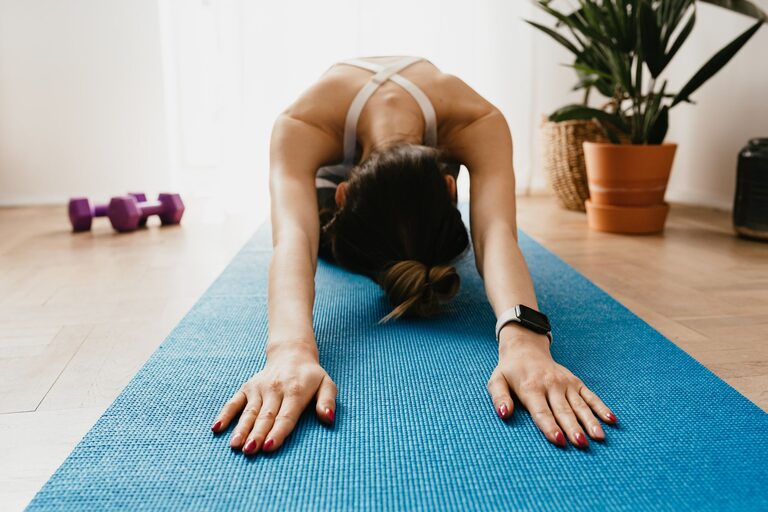
– Yoga mat or soft surface for floor stretches
– Stretching strap or towel for assistance (optional)
– Chair or wall for support (optional)
Most stretches can be done with just your bodyweight, making it easy to start right away.
How to Stretch Safely
Safety is important when stretching to avoid strain or injury:
– Warm up first: Spend 5–10 minutes doing light activity like walking or marching in place.
– Move slowly: Ease into each stretch gently without bouncing.
– Listen to your body: Stretch until you feel mild tension, not pain.
– Hold steady: Maintain each stretch for 15–30 seconds.
– Breathe: Remember to breathe deeply and regularly throughout the stretch.
– Stretch both sides: Balance your routine by stretching each side of your body equally.
Beginner-Friendly Stretches to Try at Home
Here are some simple stretches suitable for all fitness levels:
1. Neck Stretch
– Sit or stand tall.
– Slowly tilt your head to the right, bringing your ear toward your shoulder.
– Hold for 15–20 seconds, feeling a gentle stretch along the side of your neck.
– Repeat on the left side.
2. Shoulder Rolls
– Sit or stand with your arms relaxed.
– Roll your shoulders forward in a circular motion 10 times.
– Then reverse direction and roll them backward 10 times.
– This helps relieve tension in your upper back and shoulders.
3. Chest Opener
– Stand tall and clasp your hands behind your back.
– Straighten your arms and gently lift your hands while squeezing your shoulder blades together.
– Hold for 20 seconds to open up chest muscles.
4. Seated Forward Bend
– Sit on the floor with your legs extended straight in front.
– Inhale and lengthen your spine.
– Exhale and slowly reach toward your toes, bending at the hips.
– Stop when you feel a gentle stretch along your hamstrings.
– Hold for 20–30 seconds.
5. Cat-Cow Stretch (Spine Mobility)
– Start on your hands and knees with wrists under shoulders and knees under hips.
– Inhale, arch your back, lifting your head and tailbone toward the ceiling (Cow Pose).
– Exhale, round your spine, tucking your chin and pelvis (Cat Pose).
– Repeat 5–10 times, moving smoothly between poses.
6. Standing Quadriceps Stretch
– Stand tall holding onto a chair or wall for support if needed.
– Bend your right knee and bring your heel toward your buttocks.
– Hold your ankle with your right hand and gently pull it closer to stretch your thigh.
– Hold for 20 seconds, then switch legs.
7. Calf Stretch
– Stand facing a wall with both hands placed at shoulder height.
– Step your right foot back and press the heel down, keeping your leg straight.
– Lean into the wall slightly to feel a stretch in your right calf.
– Hold for 20 seconds and switch sides.
Tips to Stay Consistent
Building a stretching habit is easier with a few helpful strategies:
– Schedule a regular time each day, such as morning or evening.
– Keep your stretching area inviting and clutter-free.
– Combine stretching with other relaxing activities like listening to music or deep breathing.
– Track your progress or keep a stretching journal.
– Celebrate small improvements in flexibility and comfort.
When to Seek Professional Advice
If you have any chronic pain, injuries, or health conditions, it’s wise to consult with a healthcare provider or physical therapist before beginning a stretching routine. They can tailor stretches to your needs and ensure you stretch safely.
Final Thoughts
Stretching at home is an accessible, low-cost way to enhance your health and well-being. By practicing these beginner-friendly stretches regularly, you can improve flexibility, reduce muscle tightness, and feel more comfortable in your daily movements. Remember to be patient and consistent—your body will thank you for it!
Ready to start stretching? Grab a mat, set a timer, and enjoy these simple techniques anytime, anywhere. Your body will feel more balanced and refreshed before you know it.