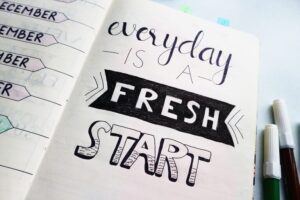

Building new habits can be a powerful way to improve your life, but staying consistent often proves challenging. Whether you want to exercise regularly, read more, or drink enough water, tracking your habits is one of the best ways to keep yourself accountable. In this post, we’ll explore practical tips and methods to help you track habits and stay consistent over time.
Why Tracking Habits Matters
Tracking your habits transforms vague goals into clear actions. Instead of relying solely on memory or motivation, tracking provides concrete evidence of your progress. This helps you:
– Build awareness: Understand how often you actually engage in a habit.
– Boost motivation: Seeing progress encourages you to keep going.
– Identify patterns: Notice what helps or hinders your success.
– Stay accountable: A visual record makes skipping less tempting.
Research shows that people who track their habits are more likely to stick with them, making this a powerful tool on your self-improvement journey.
Choosing the Right Habit to Track
Before you start tracking, it’s important to select habits that are meaningful and achievable. Here are a few tips:
- **Start Small**: Focus on one or two habits at a time to avoid overwhelm.
- **Be Specific**: Clearly define the habit (e.g., "walk 30 minutes," not just "exercise").
- **Set Realistic Goals**: Choose a habit that fits your current lifestyle and schedule.
- **Focus on Behavior, Not Outcome**: Track actions you can control, not results (e.g., "floss daily" vs. "have perfect teeth").
Once you’ve picked your habit(s), it’s time to decide how to track them.
Effective Ways to Track Your Habits
There are many tools and methods available to track habits, so choose one that fits your style and needs.
1. Habit Tracking Apps
Smartphone apps are popular because they’re convenient and often come with helpful features.
– Examples: Habitica, Streaks, Loop Habit Tracker, HabitBull.
– Pros: Reminders, progress visualization, statistics.
– Cons: Can be distracting if you check too often; some features may require payment.
2. Physical Habit Tracker
Using a notebook or printable tracker can be a simple, low-tech option.
– Bullet Journal: Create habit grids or color-coded charts.
– Printable Trackers: Find free templates online to print and fill in.
– Pros: Tangible and satisfying to mark off; less screen time.
– Cons: Requires you to remember to update it daily.
3. Calendar Marking
Mark your calendar with X’s or stickers whenever you complete the habit.
– Pros: Visual “chain” encourages consistency.
– Cons: Less detailed than apps or journals.
4. Accountability Partners
Share your goals with a friend or group and track habits together.
– Pros: External motivation and support.
– Cons: Requires mutual commitment.
Tips for Staying Consistent
Tracking alone won’t guarantee success. Here are strategies to help you maintain your habits day after day.
Set Clear Triggers
Link your habit to a specific time, place, or event. For example, “I’ll meditate right after brushing my teeth in the morning.” Clear triggers create strong habit loops.
Keep It Simple
Start with habits that take just a few minutes to complete. Small wins build confidence and momentum.
Use Positive Reinforcement
Celebrate progress, no matter how small. Treat yourself or acknowledge your effort to stay motivated.
Review Progress Regularly
Set a weekly or monthly check-in to reflect on your habit tracker. Adjust your goals or methods if needed.
Don’t Get Discouraged by Slips
Missing a day is normal. Use your tracker to spot patterns and get back on track quickly.
Combine Habits
Stack new habits onto existing ones. For example, do stretches while waiting for your coffee to brew.
Example: How to Use a Simple Habit Tracker
Imagine you want to drink 8 glasses of water daily. Here’s how you can track and stay consistent:
- **Set a goal**: Drink 8 glasses every day.
- **Choose a tracker**: A printed chart with 31 squares for each day.
- **Create a trigger**: Drink a glass right after each meal and before bed.
- **Track daily**: Mark each completed glass in the chart.
- **Review weekly**: At the end of the week, count your total glasses and celebrate the days you hit 8.
- **Adjust if necessary**: If some days are low, find what made those days different and adjust your triggers.
Final Thoughts
Habit tracking is a simple but powerful tool to help you build consistency and achieve your goals. By selecting meaningful habits, choosing tracking methods that suit you, and applying strategies to stay motivated, you can turn positive actions into lasting routines. Remember, progress is a journey—track, adjust, and celebrate every step along the way.
Start small, be patient, and watch your habits grow!